
Wind energyIndustrial wind turbines
Industrial wind turbines
From the WINDER archive. The specifications, tariffs, connection rules and statistics in this article may have changed since publication.
According to the World Wind Energy Association (WWEA), global installed wind capacity reached 318 GW by the end of 2013. The annual output of around 600 TWh exceeded electricity consumption in the United Kingdom, then the world’s sixth-largest economy.
The wind industry’s strong growth has made it attractive to investors.
In Ukraine, industrial sites benefit most from investment in wind power because businesses pay higher electricity tariffs than households, which shortens the payback period.
Under a commonly used classification, industrial wind turbines are those rated at 100 kW or more.
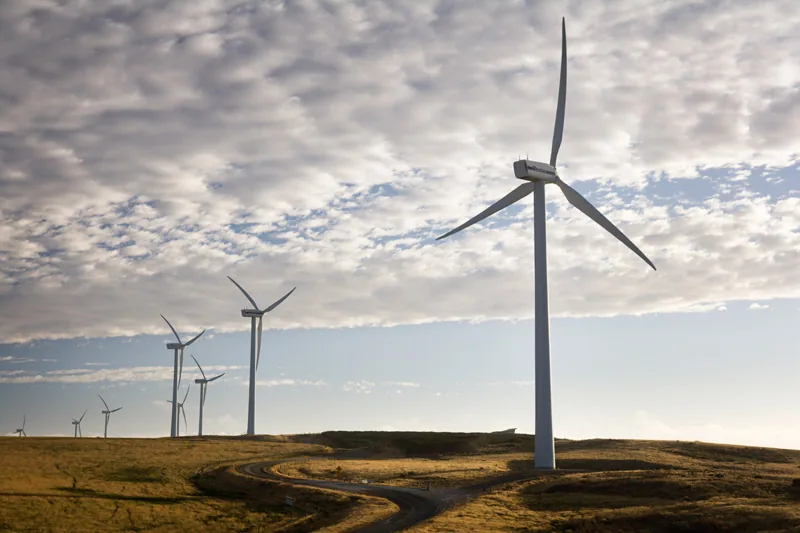
In a typical project, the company uses the turbine’s output to offset its own electricity consumption or sells the electricity to the grid under the feed-in tariff. Grid-connected systems can operate without batteries, substantially reducing the cost of the installation.
Selling electricity under the feed-in tariff requires permits and technical connection conditions. In many cases the process is quicker than in some Western European countries.
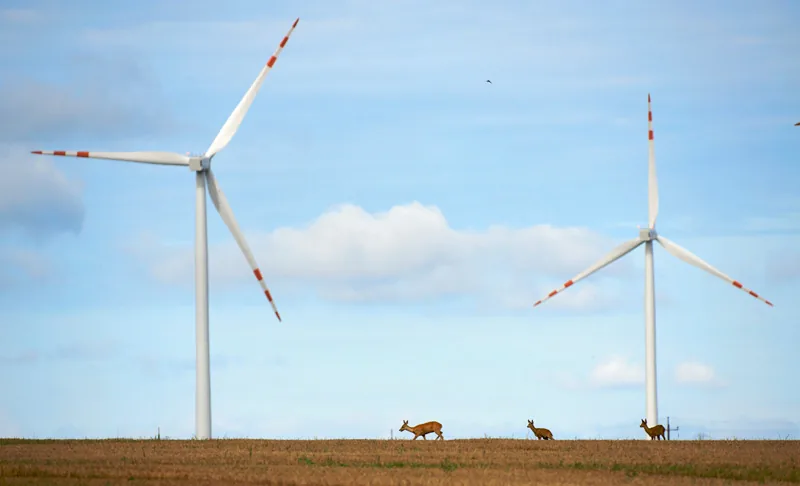
As a member of the World Wind Energy Association, WINDER works with European and American turbine manufacturers and supplies components for high-capacity machines. We offer new and refurbished industrial wind turbines and can prepare a quotation for your site.