
Backup
Keep your home running through an outage with a battery and inverter. Add a few solar panels if you want to recharge the battery from the sun.
- Fridge · lights · internet · boiler
- Budget from $2,500
- Up and running in 1–3 weeks
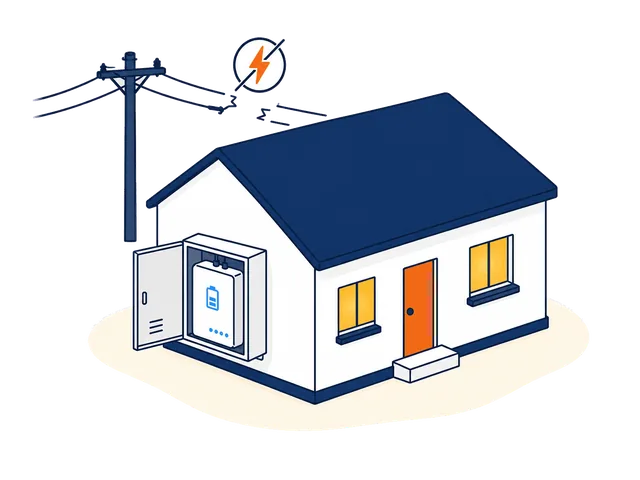
Keep the lights on during outages, cut your bills or go fully off-grid. We will select the equipment and calculate what it can deliver.
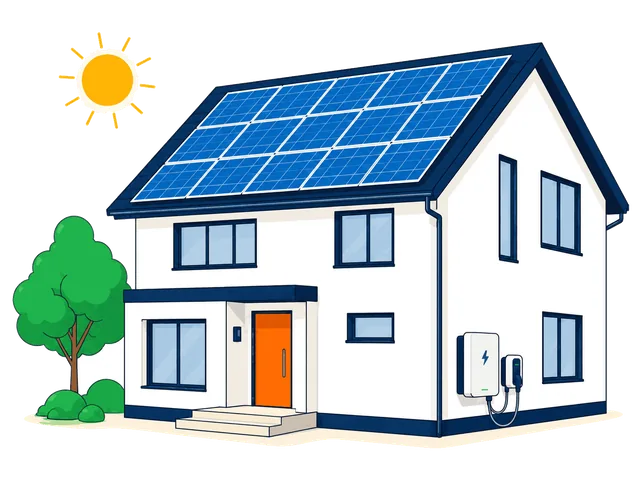
Solar is not the right choice for every home. We will help you assess whether it makes sense for yours.
Options range from simple outage backup to complete independence from the grid. The more you need the system to do, the higher the budget.
Keep your home running through an outage with a battery and inverter. Add a few solar panels if you want to recharge the battery from the sun.
Panels, battery and grid work together. Solar powers your home during the day, surplus goes to the grid and the battery keeps a reserve for nights and outages.
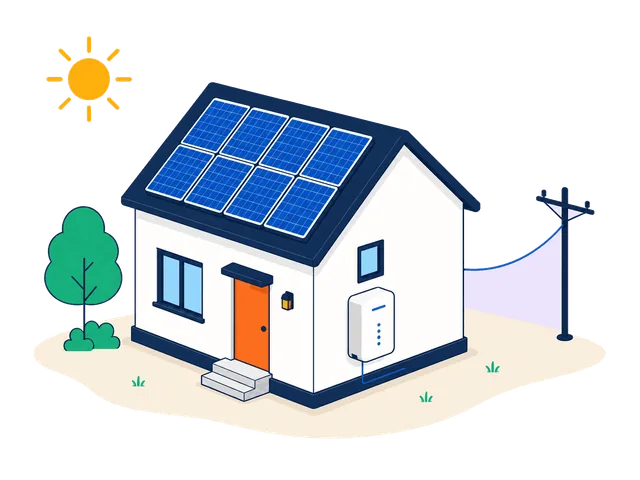
Go off-grid or keep the grid as backup. We size the battery bank and solar array for your annual electricity consumption.
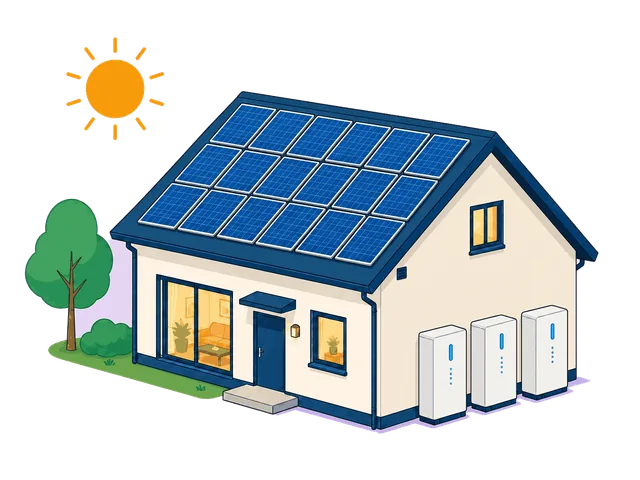
Solar powers the home during the day. Surplus goes to the grid, and the battery keeps a reserve for nights and outages.
Critical load × longest continuous outage ÷ 0.9 (usable depth of discharge for LiFePO4 batteries).
How much energy could panels on your roof generate? Solar generation calculator
7.8kWh
20 kWh scale. Nominal capacity 7.8 kWh, usable capacity 7.0 kWh.
The cost depends on your site and what you want the system to do. These factors make the biggest difference.
This depends on consumption and roof space. Home systems typically range from 5 to 20 kW.
Capacity depends on how long you need power without sunlight or the grid. Storage is the most expensive component, accounting for 30–50% of the budget.
Metal tile, standing seam, corrugated bitumen and flat roofs need different mounting systems. Pitch and orientation affect how much energy the panels produce each year.
Choose a hybrid, grid-tied or off-grid inverter. Hyundai, Huawei and Deye models differ in price and features.
Building height, number of storeys, crane access, distance from Kyiv and roof covering affect the labour required.
The feed-in tariff and net billing require extra paperwork. You can skip this step if you do not plan to sell electricity.
Detailed estimate
Your name and contact details are enough for an initial enquiry. For a detailed estimate, an engineer will ask for the information below. More detail gives you a more accurate figure.
To estimate the solar resource using historical data
At least one month, ideally a full year
From two or three angles, including the sunny side
What needs to run during a grid outage
Helps us understand the wiring and supply connection
Backup, savings, independence or all three

We collect the details and send a preliminary estimate and budget range.

An engineer inspects the roof and electrical connection and clarifies your needs. We then give you a final, itemised quote.
We install the panels, inverter and batteries and configure the system in 2–7 days.

Paperwork, warranty, app-based monitoring and servicing.
Panels carry a 10–25 year warranty, inverters 5–10 years, and LiFePO4 batteries 6–10 years or 6,000 cycles.
Two years on installation work and internal connections.
The app shows generation, consumption and battery charge in real time. If something goes wrong, both you and our service team receive an alert.
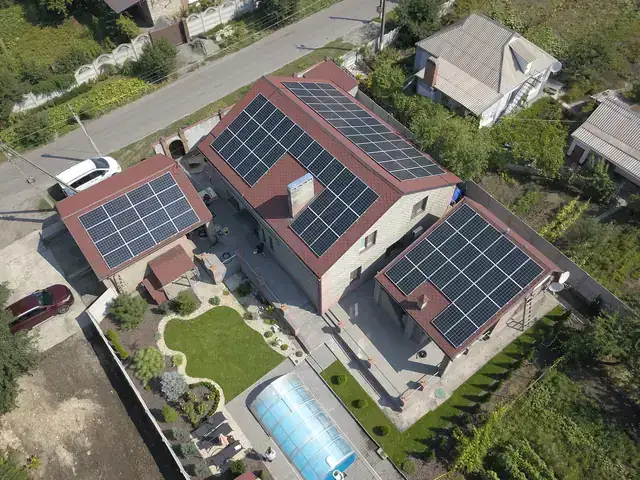 Residential solar PV in Kryvyi Rih, 30 kWSolar installation · private home
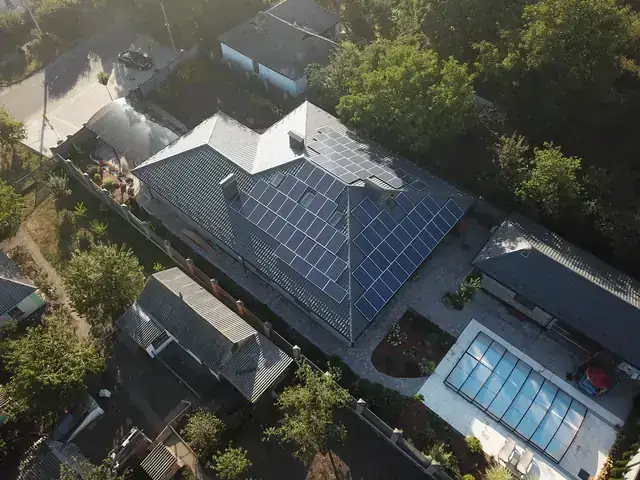 Rodnykivka · rooftop solar installation, 25 kWprivate home
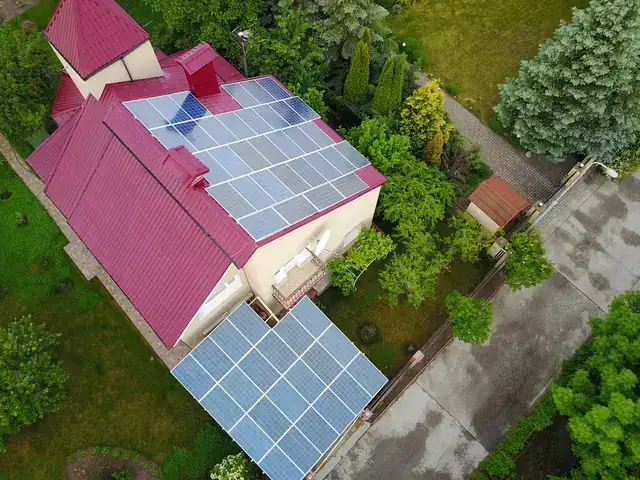 Kozyn · hybrid solar installationSolar installation · private home
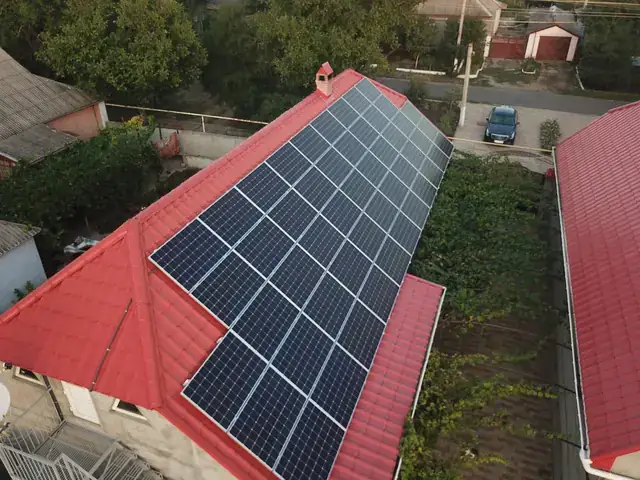 Berezivka · rooftop solar PV, 30 kWSolar installation · private home
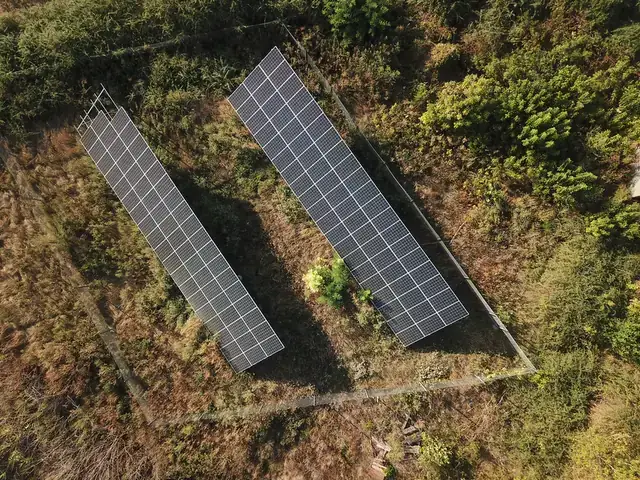 Viktorivka · ground-mounted solar PV, 40 kWprivate home
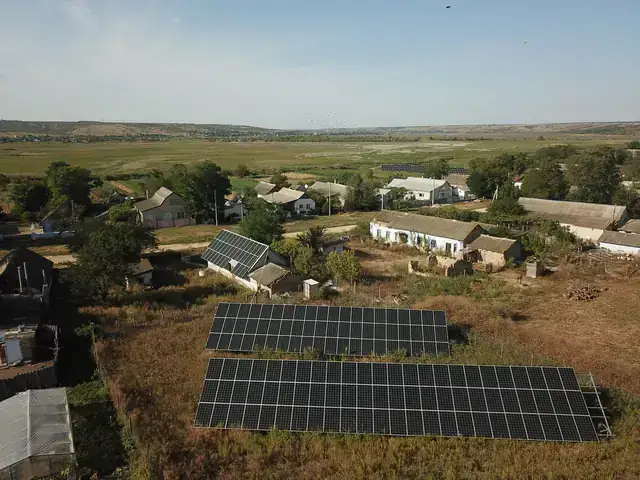 Marianivka · ground-mounted solar PV No. 1, 55 kWSolar installation · private home
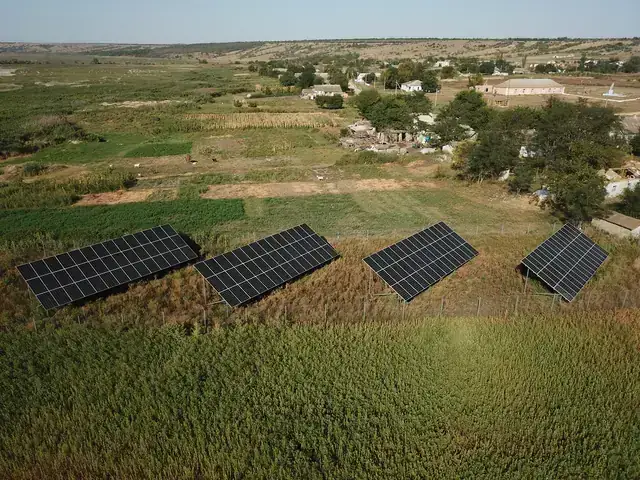 Marianivka · ground-mounted solar PV No. 2, 55 kWSolar installation · private home
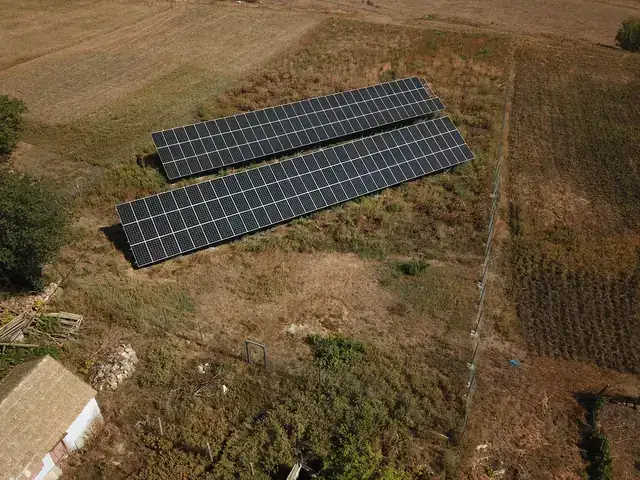 Vynohradne · ground-mounted solar PV, 55 kWSolar installation · private home
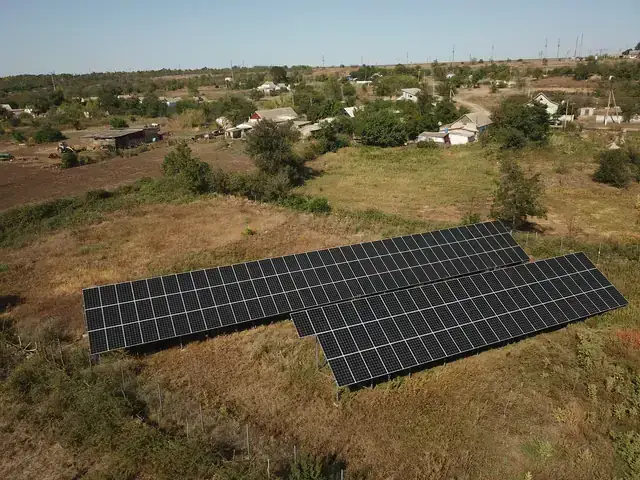 Riasnopil · ground-mounted solar PV, 55 kWSolar installation · private home
Basic backup for a fridge, lights, boiler and internet equipment starts at $2,500. It includes a 3 kW inverter and a 5 kWh battery, without solar panels.
Yes, if you start with a hybrid inverter with spare capacity. It costs more upfront but less than replacing the whole system later.
Backup without panels takes one day. A system with 5 kW of panels takes 2–3 days. Allow 5–7 days for a 10–15 kW hybrid or 7–14 days for an off-grid system, depending on complexity.
A zero-export system for your own use does not require one. A feed-in tariff or net billing arrangement does, and WINDER handles the paperwork.
The hybrid inverter automatically disconnects from the grid and switches to the battery and solar panels. Depending on the equipment, switching takes 0.02–2 seconds.
Lithium iron phosphate (LiFePO4) batteries last 6,000–8,000 cycles, typically 10–15 years in household use.
Tell us about your plans now so we can size the inverter and wiring accordingly. Upgrading later is more difficult and expensive.
Yes. Dismantling takes 1–2 days. In many cases it makes better financial sense to sell the system with the house, as it adds value.
Tell us where your home is and what needs to run during an outage. We will advise whether backup alone is enough or solar panels are worthwhile.
A WINDER engineer will contact you within one working day.
Or call +380 44 33 22 660